Everybody thinks this format is worn out, and it still converts. Because it answers questions no product page deals with.
The real question is the inventory
It is not the pleasure of opening, it is the contents.
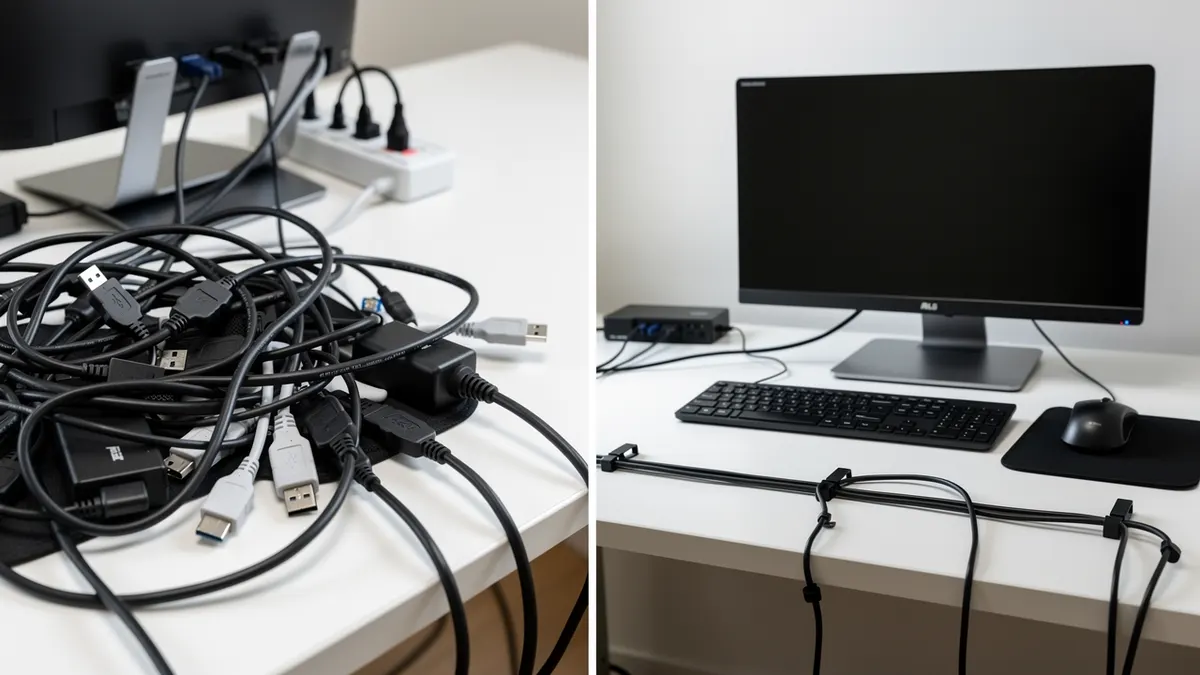
The buyer wants to know what is in the box: the number of parts, the accessories, the cable, the manual, the guarantee, what is missing and will have to be bought separately.
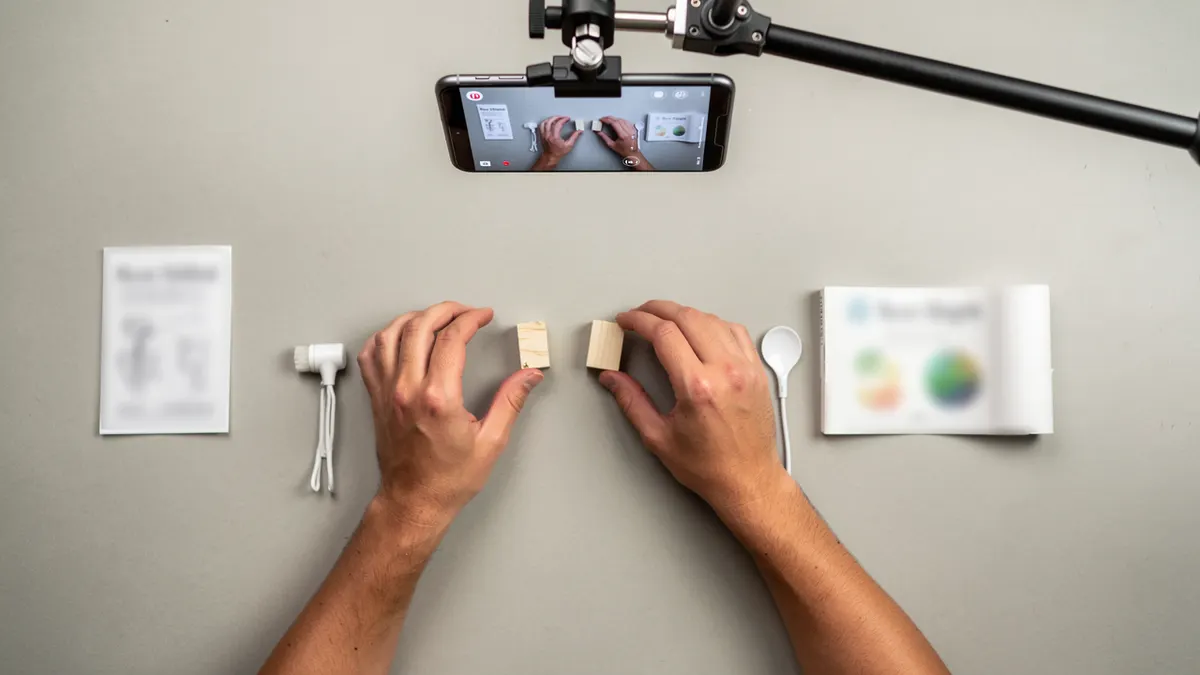
So film the complete inventory, laid out flat, with each item named. That is the shot product pages never show and comments always demand.
Add what is not included. That sentence prevents a disappointment, and a prevented disappointment is a prevented return.
Show the packaging honestly
Including when it is damaged.
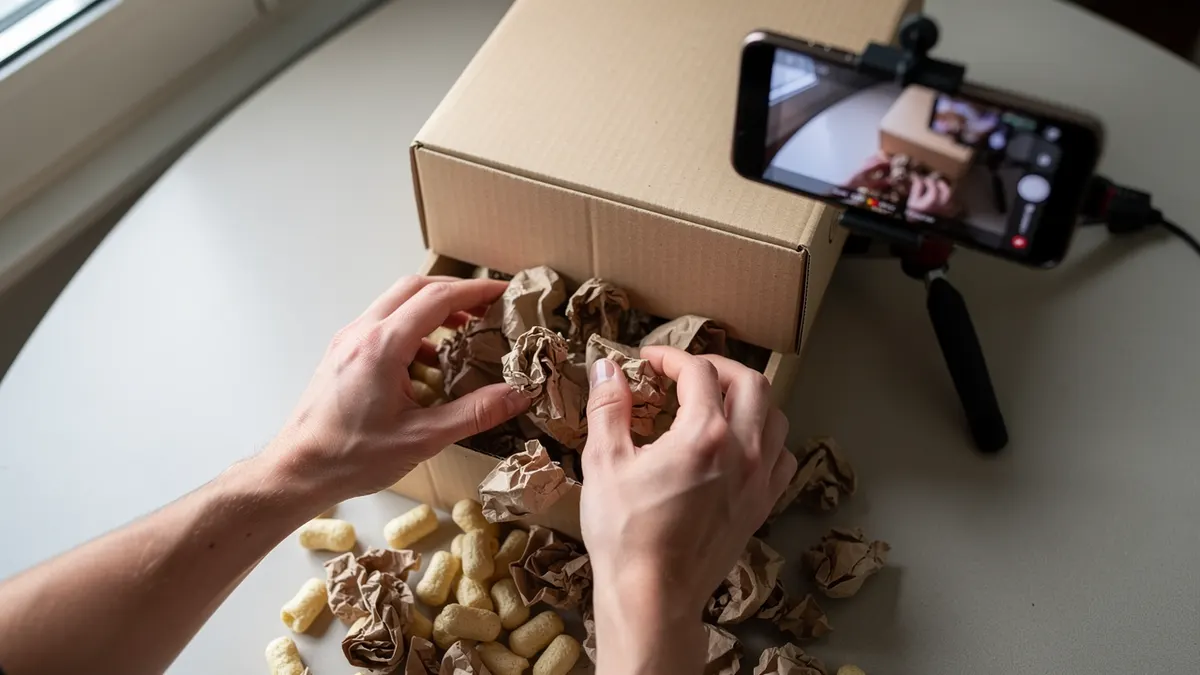
A dented box that protects well is an argument, not a flaw. Excessive packaging is information the public will comment on anyway.
Two useful sequences: the state of the parcel on arrival, and what actually protects the product inside.
On fragile or heavy products, that is the most watched part of the video.
The first setup is part of it
That is what separates a useful unboxing from a decorative one.
Opening the box proves nothing. Plugging in, assembling, starting up, making it work: that is the information.
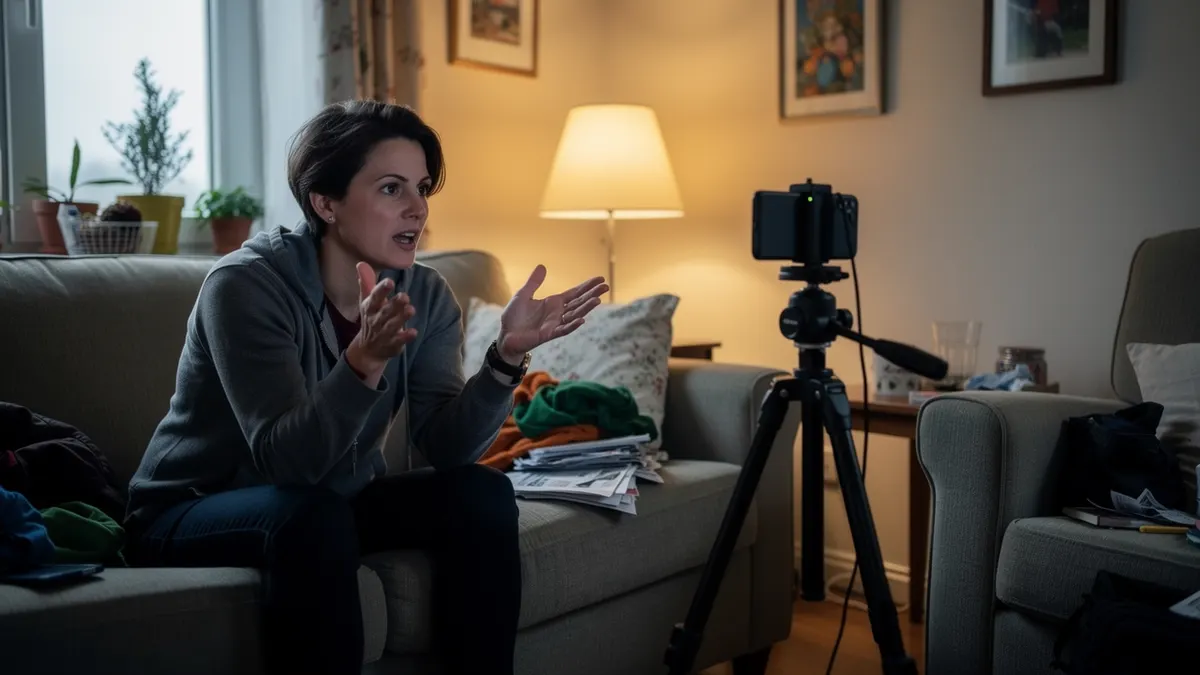
Keep the hesitations and the real duration. A setup taking twenty minutes must be announced as such, otherwise the video creates an expectation the product does not meet.
And film the first use, however short. That is what turns an unboxing into proof.
It is the cheapest video to commission
Which makes it an excellent first order.
It requires no set, no staging, no actor: a product, a table, decent light, two hands.
For a brand, it is the ideal format for testing a creator: the result is comparable from one person to another, and it reveals everything that counts, namely framing, steadiness, sound and the ability to follow a brief.
For a creator, it is the format that fills a portfolio without depending on an order.
Where the format fails
Three cases, all avoidable.
When it is over-edited: music, fast cuts, effects. The viewer can no longer check what is in the box, which is the only reason they are there.
When it hides a flaw. A missing part, torn packaging, an absent manual: showing protects the brand, hiding prepares a comment.
And when it stops at the opening. An unboxing with no use is an advert, and the audience files it as such in three seconds.
The minute that decides everything
| Second | What happens | Mistake to avoid |
|---|---|---|
| 0 to 3 | The sealed parcel, held | A shot of the logo alone |
| 4 to 15 | The opening, uncut | An edit that speeds it up |
| 16 to 40 | The contents taken out one by one | Laying it all out at once |
What is prepared before opening
The background, the light, the knife within reach and the phone already recording. An opening cannot be replayed: a torn box does not become new again.
What is said and what is left out
The price paid, the real delivery time and the state of the parcel. Nothing about product quality until it has been used: that is another video.
The Canadian point
Two details change the result.
Winter: a parcel left outside in deep cold, a product arriving frozen, damp packaging. Showing how the product behaves in those conditions is local information nobody else gives.
And language: an unboxing for the whole country exists in two spoken versions, not one subtitled version. The obligations applicable to the language of commercial communication depend on the medium and on your situation, and are checked with a lawyer before publication.