A video shot here does not stay here. It often serves several Central American countries, sometimes a client much further away.
That imposes a writing rule almost nobody states: the hook must be universal, the body must be local.
The first three seconds bear no context
A local reference placed at the opening immediately excludes part of the audience. A place, an expression, a habit you have to know to understand: the viewer who does not share it drops off before seeing the product.
A universal hook rests on three things only: a gesture, a visible problem, or a question anyone asks themselves.
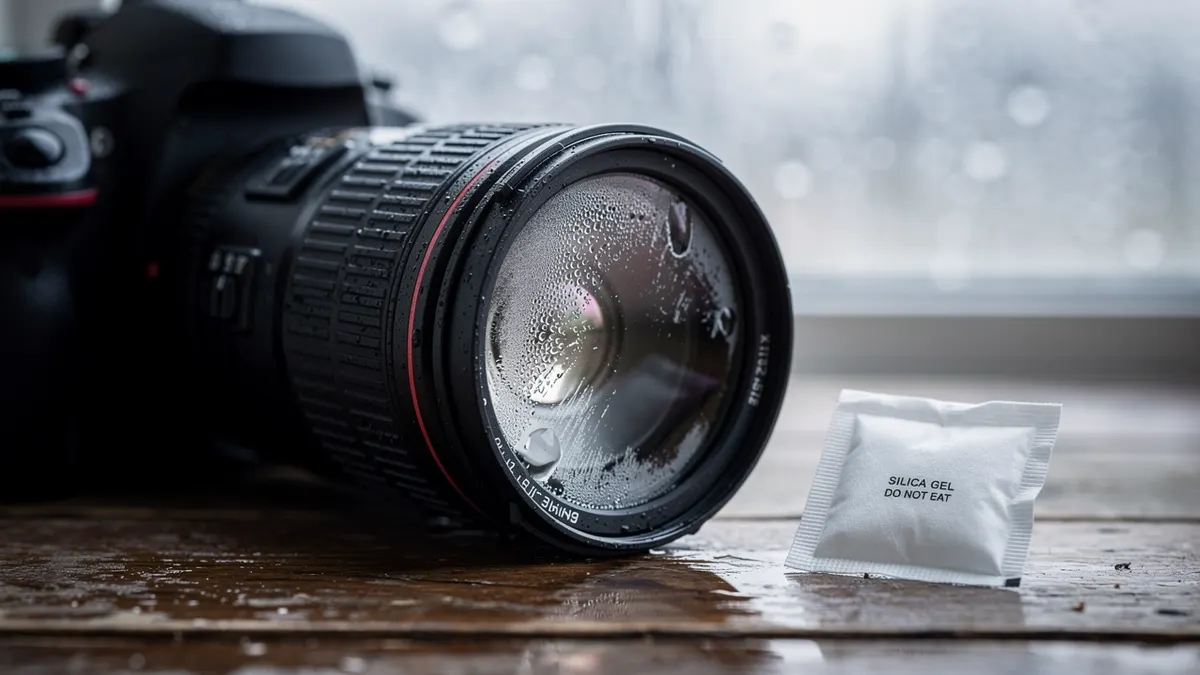
"It took me three months to understand why it would not hold." "Look what happens when you open it after the rain." Nobody needs to know where we are to keep watching.
What belongs in the body of the video
The humidity, the afternoon rain, the dirt road, the open house, the bus ride. Those details make the video credible, and they arrive once attention has been won.
They also do the reverse job for the foreign viewer: they prove the person actually lives with the product instead of presenting it.
Three structures that work
Problem first. Show what is wrong, then what fixed it. It is the sturdiest structure, because it gives a reason to stay before selling anything.
The objection spoken aloud. "I thought it was not worth it." That sentence disarms, because it says out loud what the viewer is thinking in silence.
The reversed result. Start at the end: the object after three months, the finished room, the garment washed twenty times. Then go back.
What not to write
The aggressive imperative. "Stop everything", "you are doing it all wrong": that register works in some markets and is rejected here, where it reads as rudeness rather than energy.
The extreme promise, which then forces you to prove the impossible.
And opening with an introduction of yourself. Nobody asked who you are; they find out by watching you work.
Writing to be understood without sound
A significant share of views happens with no audio. The hook must therefore exist in the image: a gesture, a product in hand, a short line of text on screen.
Write that text yourself rather than letting automatic captioning do it. Transcription tools regularly get brand names and local turns of phrase wrong, and one false word in the first second costs the whole video.
How to test a hook with no budget
Write three of them for the same video, shoot the three openings back to back, keep the same body.
Publish them a few days apart and see which one holds attention beyond the first seconds. It is the only reliable way to know, and it costs only a few extra minutes of shooting while everything is already set up.
Why a hook fails
Seven openings to delete.
A greeting that announces nothing.
The brand name in the first word.
A question everyone answers with no.
A promise the video does not keep.
A sentence that reaches the point after three seconds.
A tone that does not match the product shown.
And an opening that makes no sense with the sound off.
Three structures that hold
| Structure | Opening line | What follows |
|---|---|---|
| Problem, proof, offer | "Here is what fails every time." | The demonstration |
| Question, answer, limit | "Does it last a month?" | The test |
| Before, after, condition | "Same product, two weeks apart." | The comparison |
What gets written last
The hook: you pick it once you know what the video proves, never before.
What gets tested across three versions
The same edit with three different openings, posted the same day, compared after forty-eight hours.
What can be reused
A hook that worked can be reused on another product, almost as it is. Write it down.
After a few months you have a short list of proven openings, and writing stops being the hardest part of the job.