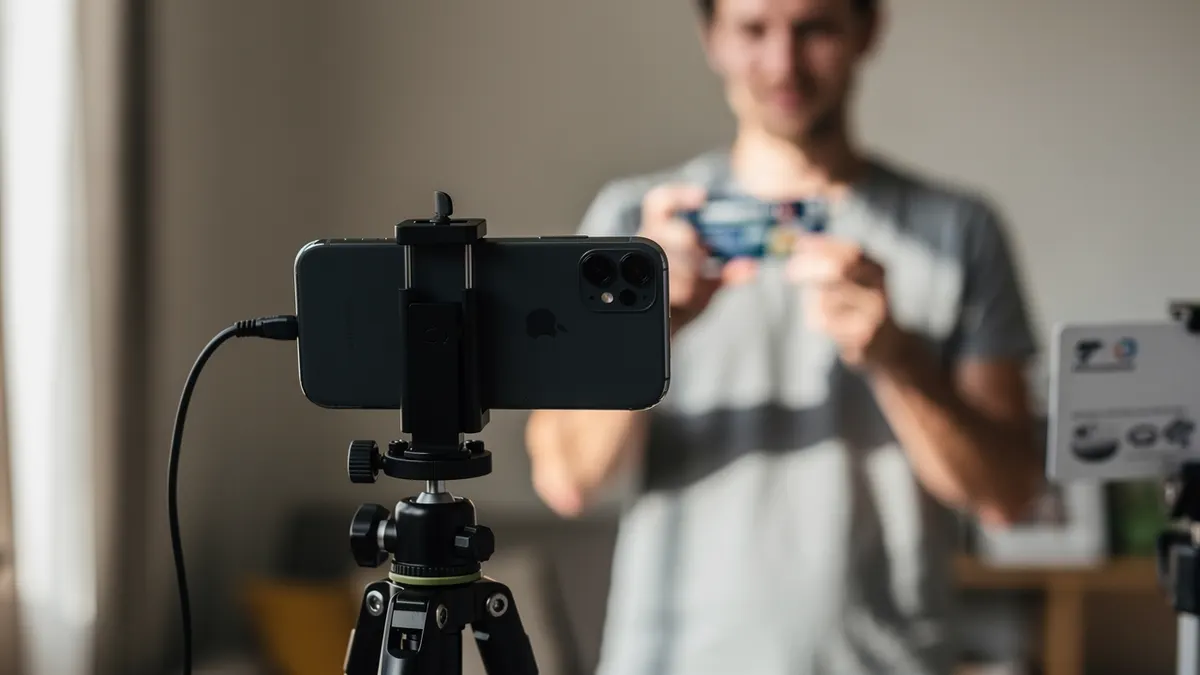
A video shot in somebody's home always contains more information than the brand thinks it is buying. That is the blind spot of this category.
Filming identifiable people requires consent
That is the starting point and it cannot be worked around.
Anybody recognisable by image or voice must have given their agreement, for a defined use, on defined channels and for a defined duration. The applicable rules depend on the place of filming, the nature of the content and the intended use.
They are checked before the shoot, and a doubt is resolved with a lawyer rather than in the edit.
Quebec has added obligations
That is the peculiarity teams based elsewhere discover too late.
The requirements regarding personal information there are broader than in the rest of the country, and they cover collection, retention, transparency and the rights of the people concerned. They apply whether or not you are established there, as soon as you handle information about people who are.
That point is checked before launching a campaign, not after a complaint.
Creators' data is personal information too
That is what almost nobody anticipates.
You hold their name, their address, their bank details, sometimes an identity document, and a library of videos showing their face. All of that has to be kept, secured, limited in time and deleted when no longer necessary.
Write down who in your team has access to those files. Most often, the honest answer is everybody, and that is already the problem.
Children require particular care
The rules are stricter and the agreements more demanding.
The agreement of those holding parental authority is necessary, with conditions depending on the place, the age and the intended use. Never film a child who is not from the household without that written agreement, and avoid anything that would allow a school or a home to be located.
What has to be written in the agreement
Four lines, in addition to the commercial terms.
Who appears. On which channels and for how long. What happens at expiry. And how a person can ask for their image to be withdrawn, from whom, and within what time you answer.
That last line is almost always missing, and it is the one that will serve you.
The practical version
Three habits cover the essentials.
A written agreement signed before every shoot, never after. A sweep of the frame before the first take. And a single folder where the agreements are kept, with their expiry dates.
What requires consent before publication
| The filmed element | What is needed | Why |
|---|---|---|
| An identifiable face | A dated written consent | The person is recognisable |
| A child | Parental consent, plus caution | No identifying detail |
| An address, a plate, a screen | Blurring | Those details lead to a person |
What a consent must specify
The use, the duration and the media. A general consent silent on paid advertising does not cover a campaign, and the person filmed can legitimately ask for removal.
What to check before sending a delivery
The background. A sharp passer-by, a legible document on a table, a notification on screen: three cases where the video is technically ready but unpublishable as it stands.
When somebody asks for a withdrawal
Answer quickly, and do not argue.
Remove the video from the channels you control, note the date, and warn the people who were running it. A request handled within forty-eight hours remains an incident; the same request ignored becomes a case.
Sources
Checked on 4 September 2026. Thresholds and rates change: where this guide and the official source disagree, the official source is right.