Running a creator video as advertising here takes twice the preparation it takes elsewhere, for a simple reason: the market works in two languages, and each behaves differently.
Two languages mean two of everything
That is the calculation teams from elsewhere make once, then never forget.
Two versions of the video, two sets of hooks, two sets of subtitles, two landing pages, two budgets, two readings of results.
It is not only a translation: a hook that performs in one language does not systematically perform in the other, because wording, rhythm and reference change.
The budget consequence is direct: do not split a budget planned for one market into two halves. Each needs enough spend to get out of the noise, otherwise neither learns anything.
Plan variants, not one video
That is the production rule that decides the cost.
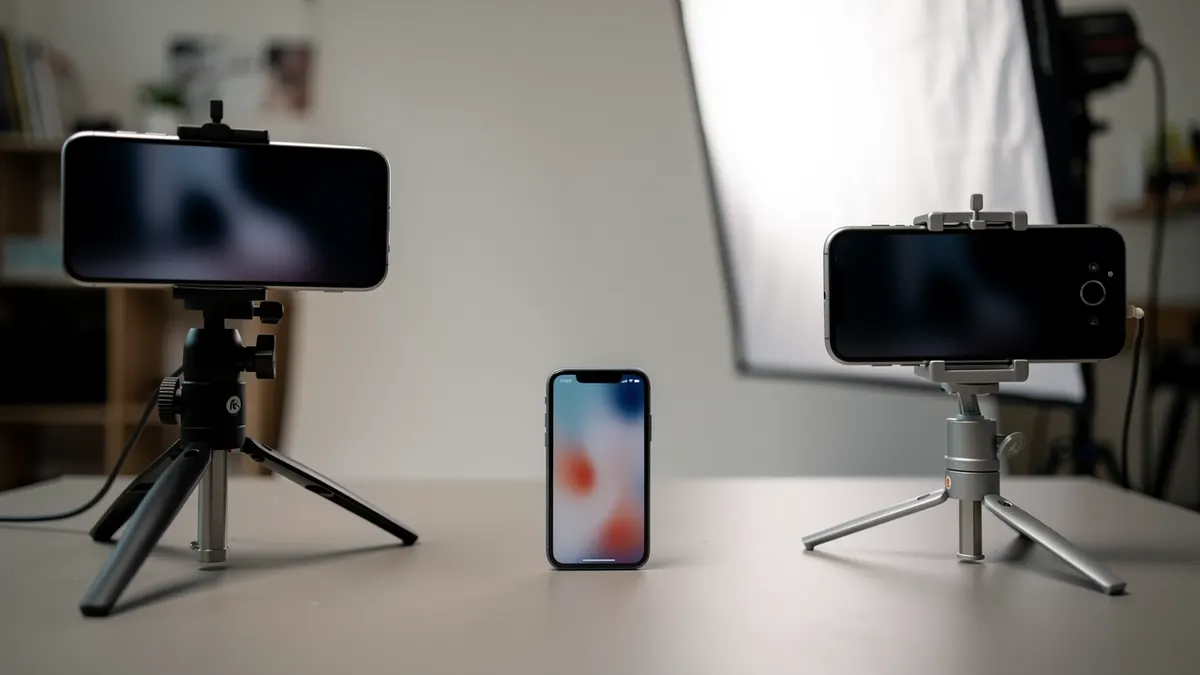
One video body, four to six different openings, two endings. Shot in the same session, in the same light, that produces enough combinations for a serious first test.
Systematically add a silent variant with burnt-in subtitles and a variant with no music.
And keep a testing rule: one variable changes at a time. If the opening and the ending change together, the result teaches nothing.
What gets rejected
Four reasons come back, all avoidable.
Results claims, particularly on health, appearance, money and earnings.
Screenshots of private conversations and unauthorised faces.
Burnt-in price or promotion mentions that no longer match the landing page.
And the absence of commercial identification when the video looks like personal content.
A rejection costs more than a delay: the rejected variant will never be tested, and the lesson is lost.
Keep the rushes
The least spectacular and most profitable advice.
A creative wears out. Rebuilding it takes a new shoot if the original files are gone, and an afternoon of editing if you have them.
So negotiate delivery of the rushes, or at least a master with no burnt-in text and no music, with the right to re-edit without fresh approval.
That is also what allows the other language version to be produced without calling anybody back.
What makes up a delivery ready to run
| Element | Quantity | Why |
|---|---|---|
| Hooks | Three per video | The first lever on results |
| Formats | Vertical and square | Two placements |
| Subtitles | Burned in, two languages | A bilingual market |
What is tested first
The hook alone, on the same edit. Once it is found, you test the argument, then the call to action. Never all three at once.
What gets an ad rejected
An unverifiable claim, a before-and-after with no disclaimer, a promised result, or a missing partnership disclosure when the brand paid for the video.
What to measure
Three indicators, read together, and separately by language.
Retention at three seconds, which judges the opening.
The click rate, which judges the promise.
The cost per real action, which judges the join between the ad and the page.
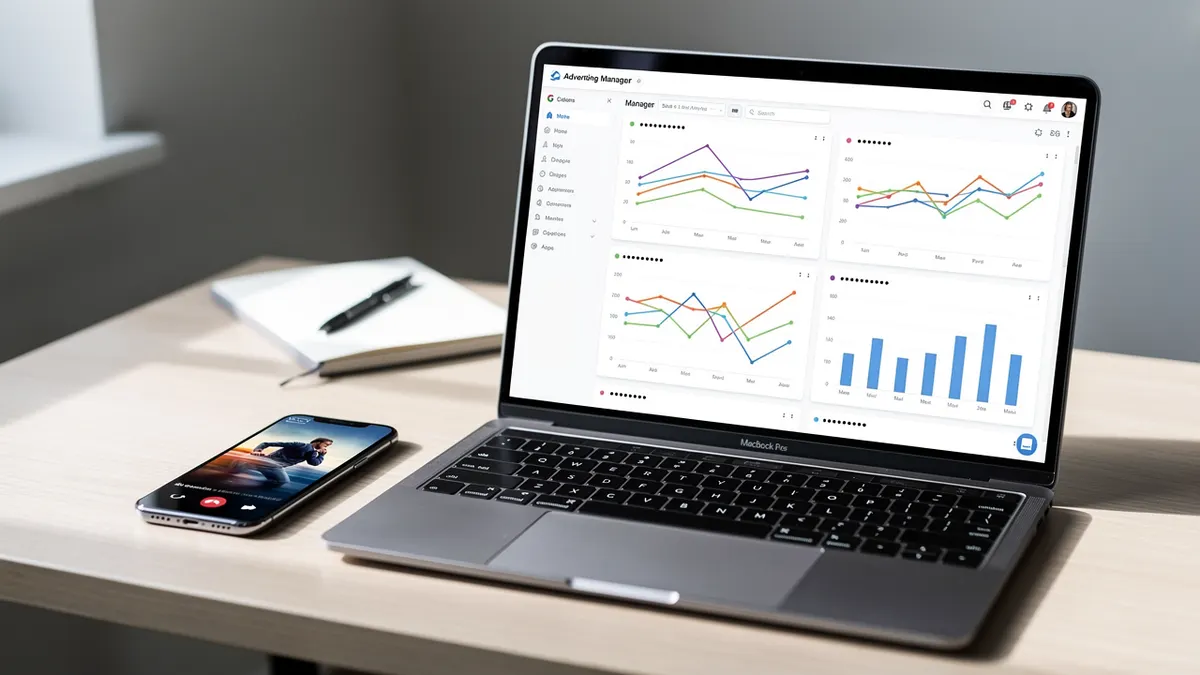
Then compare the two languages with each other rather than with an average. A cost gap between the two markets is not a problem to correct: it is information about the audience, and sometimes about the landing page, which may not have been translated with the same care as the video.
Finally check the compulsory disclosures and the rules applicable to the product, which depend on the category and the province, before going live.