
Blog
Tips, guides and stories about UGC and creator marketing.

How Much Does a UGC Creator Cost in 2026?
A UGC creator typically costs 80 to 400 euros per video, more with ad rights. What drives the price, packages vs retainers, and how to budget.
How to Become a UGC Creator in 2026: The Complete Guide
How to become a UGC creator with zero followers: gear, skills, portfolio, pricing, landing your first brands, and getting paid safely via protected payment.

How much does a UGC video cost? (2026 pricing guide)
Typical UGC video prices range from 50 to 400 euros. See what drives the price, ranges by format and experience, usage rights add ons, and how to budget or set your own rates.
UGC: The Complete Guide for Brands (2026)
What user-generated content is, why it out-converts traditional ads, what UGC videos cost, and how to launch your first campaign without an agency.
Captions and accessibility for creator video in the United States
The Department of Justice names a video without captions as a barrier under the ADA. What Title III asks of a business open to the public, and what that puts in a creator brief.

Filming in a national park as a UGC creator in the United States
Since the EXPLORE Act, eight or fewer people with hand-carried equipment need no permit and no fee, commercial or not. The five conditions, and what still applies.
Paying UGC creators abroad from the United States: the sourcing rule
Where the creator films decides whether the payment is US source income, so whether the 30% withholding and Form 1042-S apply. The passport, the bank and the contract do not decide it.
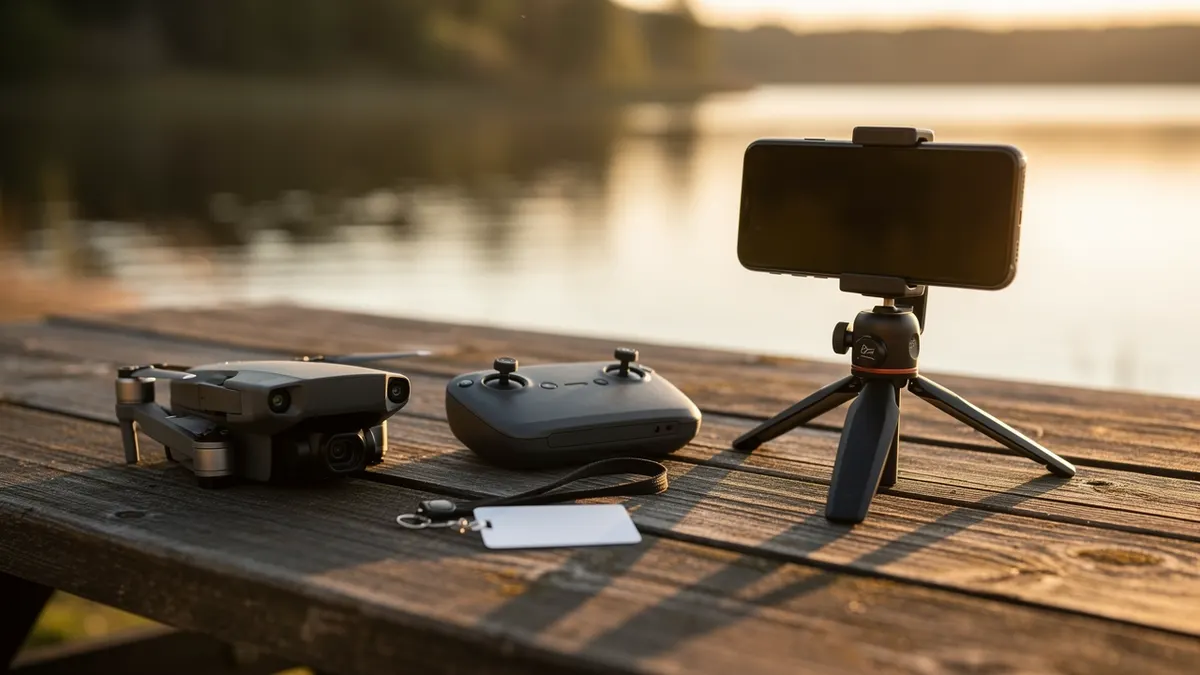
Drone footage in UGC in the United States: Part 107
A paid aerial shot is flying for work, so the FAA routes it to Part 107: a remote pilot certificate or direct supervision, registration, Remote ID, and waivers for night or crowds.
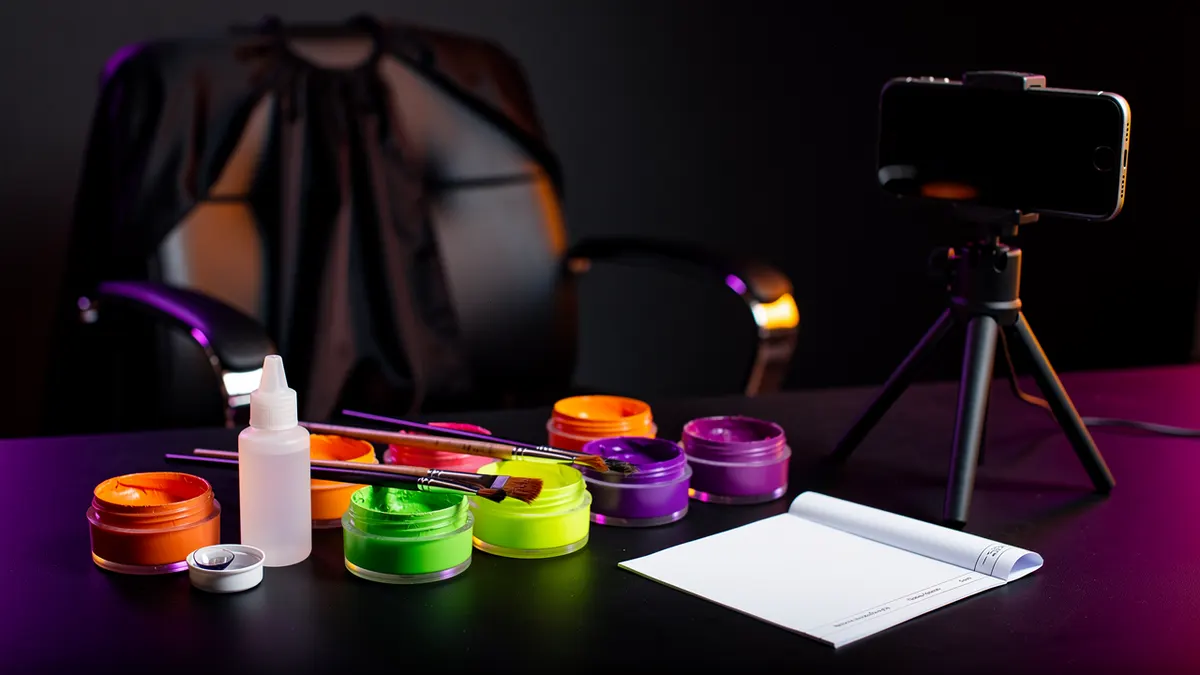
UGC for Halloween in the United States: lenses, paint and costumes
A decorative contact lens is a prescription medical device, a face paint's color additives must be FDA-approved with the glow colors kept away from the eyes, and a costume is a textile under the flammability standard.
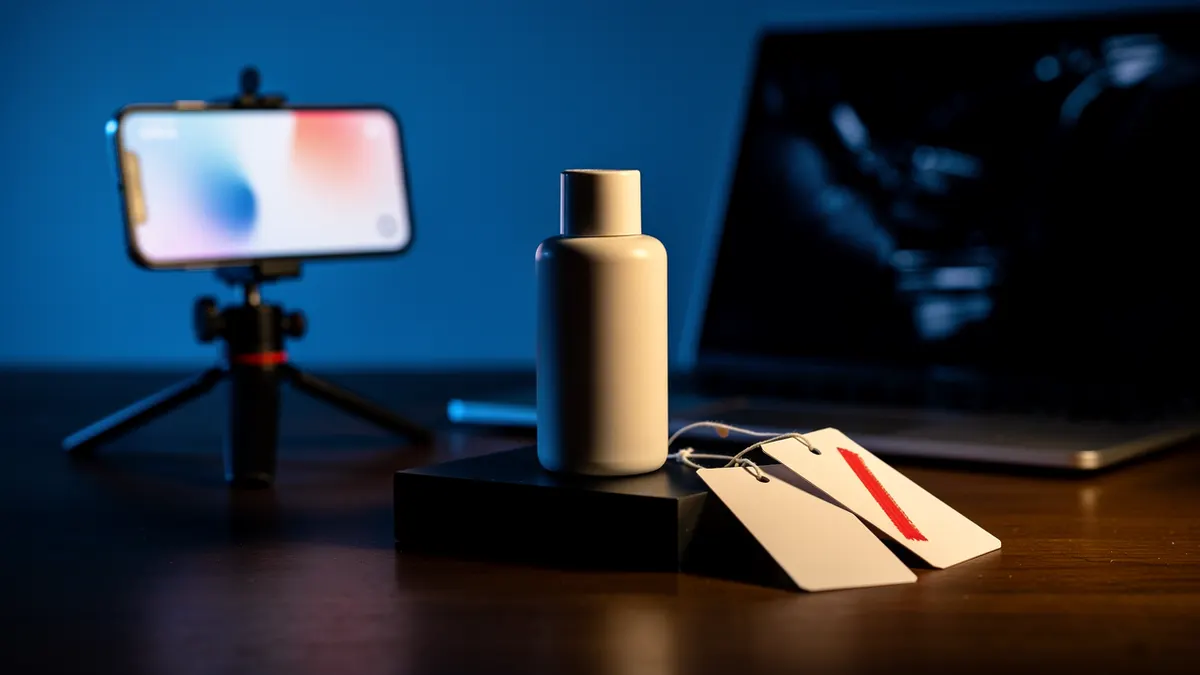
UGC for Black Friday and Cyber Monday in the United States: the price
The former price a creator says on camera has to be a real one under the FTC's Guides Against Deceptive Pricing: bona fide, recent, held for a substantial period. What each sale claim requires.

UGC for the holiday season in the United States: the 30-day rule
"Under the tree by Christmas" in a creator video is a shipping promise under the FTC's Mail Order Rule: a reasonable basis to ship, a delay notice with the option to cancel, a prompt refund.
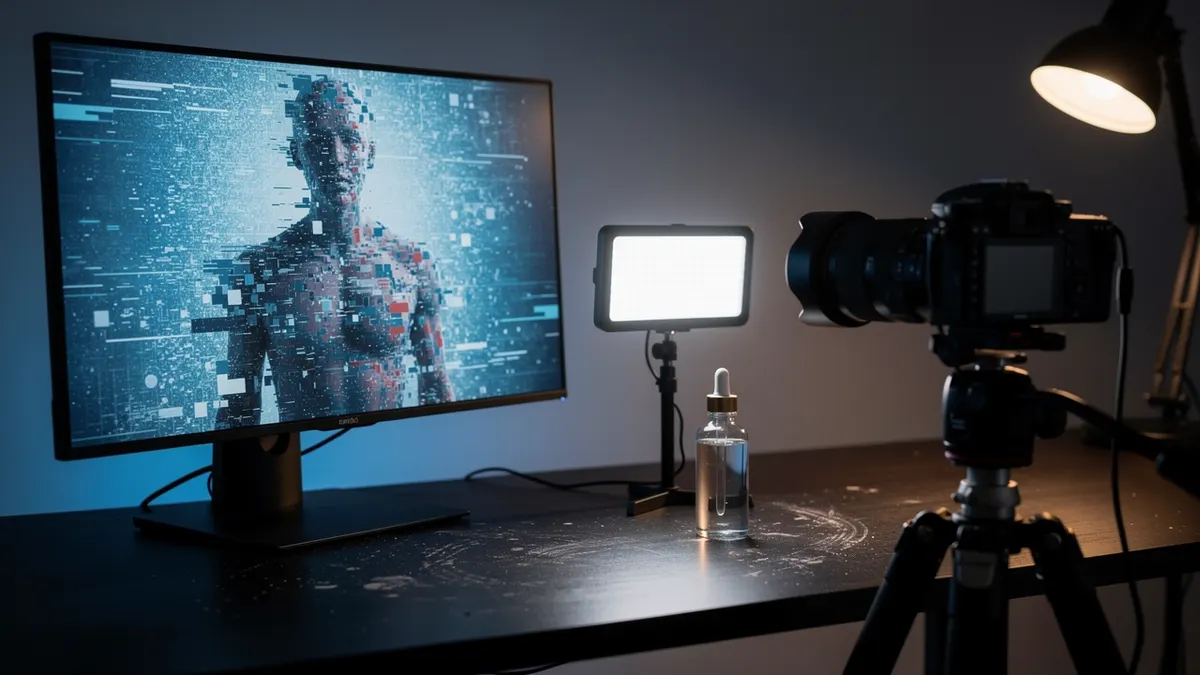
AI video or UGC creators in the United States: copyright and testimonial
The Copyright Office says purely generated video has no copyright; the FTC's rule names testimonials by someone who does not exist. What the tool is for, and where a real creator begins.
Influencer or UGC creator in the United States: what the FTC separates
An influencer sells an audience and a UGC creator sells a video. The Endorsement Guides decide who discloses the paid connection and where, and what the brand holds when the campaign ends.

Marketplace or contacting creators directly in the United States: who files
Paid directly, the brand files a 1099-NEC per creator; paid through a platform, the settlement entity files a 1099-K. What moves with the money, and what the FTC says stays with the brand.

Stock footage or UGC in the United States: dramatization or endorsement
A staged scene is the advertiser's dramatization; a stock person presented as a customer is an implied consumer endorsement. Where the voiceover crosses, and what each license gives the brand.
In-house hire or UGC creators in the United States: ownership and payroll
An employee's video is a work made for hire by default; a creator's belongs to the creator until a document is signed. What the payroll regime costs and what a license leaves out.

Agency or UGC creators in the United States: forms and responsibility
An agency changes the year-end file, one W-9 and a 1099-NEC only if it is not a corporation, and does not change the responsibility: the FTC says delegating does not relieve the advertiser.
Running a creator program in the United States: train, monitor, act
The FTC says a brand that pays and directs creators needs a reasonable program to train and monitor them: allowed claims, the disclosure, periodic checks, action. The "should have known" standard and the routine.
Creator video in email in the United States: CAN-SPAM
An email carrying a creator video is a commercial message: accurate headers and subject, ad identified, postal address, opt-out honored in 10 business days, and the promoted brand may be held responsible whoever sends.

Who owns a creator video in the United States: license or signature
The creator is the initial owner; a brand holds a permission unless a signed document says otherwise. Work made for hire and its four conditions, exclusive rights in writing, and what a license does not give.

Reviews and testimonials in the United States: the FTC rule
The FTC's rule on fake reviews prohibits reviews conditioned on sentiment, insider testimonials without disclosure and suppression. Why creator content is not a review, and how a product page keeps the two apart.

Hiring creators in the United States: contractor or employee
The IRS reads control, finances and the relationship, and a creator program is evidence in that test. Why the brief and the exclusivity clause matter, the W-9 and 1099-NEC from the brand's side, and Form SS-8.
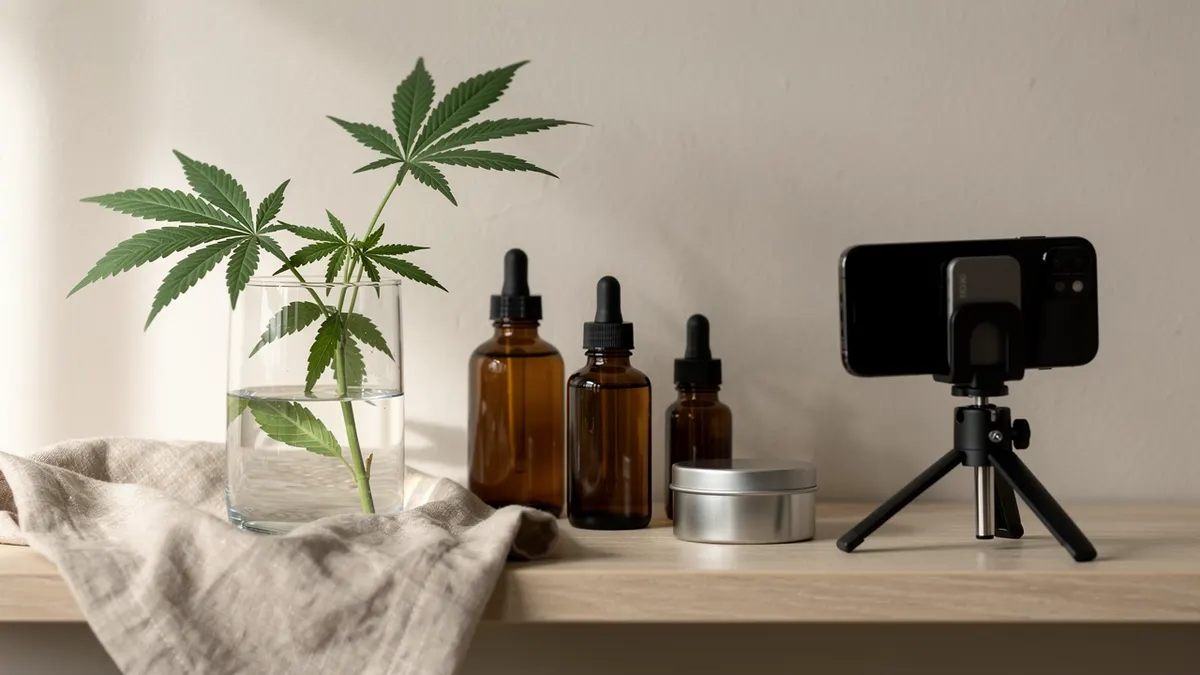
UGC for CBD and hemp brands in the United States: the product only
For the FDA a therapeutic claim makes a CBD product an unapproved drug, and CBD is neither a supplement nor a food ingredient. What the page says in its own order, and the brief built on description alone.

UGC for organic and farm brands in the United States: four labels
"Organic" is a certified USDA label with four thresholds, and a creator may only say what the label allows. The four categories, textiles and honey, the farm on camera, and the words the rules do not cover.