
Blog
Tips, guides and stories about UGC and creator marketing.

Getting paid as a UGC creator in the United States
W-9 or W-8 BEN before the first dollar, net-30 terms and purchase orders, ACH and platforms, the 1099-NEC after year end, escrow that reverses the sequence, and the license clause that gets a late invoice found.

UGC creators in Miami: bilingual is the product, not a bonus
Latin American brands entering the US, American brands reaching Hispanic buyers, hospitality filmed on site: in Miami the creator is a cultural interpreter, and the Spanish version is not a translation.

UGC creators in Houston: the work is B2B, and there is plenty
Energy, medicine, logistics: Houston brands sell to businesses and patients, so creator video here is recruitment, explainers and testimonials. Texas net rates, the drive, the heat, and the medical center rules.
UGC creators in Dallas: vendor first, creator second
Retail and restaurant headquarters buy creator programs through procurement: W-9, insurance, purchase order, net-30. What Dallas companies order, the Texas arithmetic, and the test that is not a program.

UGC creators in Atlanta: crews and studios at a price brands pay
Georgia's film credit built studios and crews that stay between productions. A creator here competes with a crew or uses one, sells a voice brands cannot manufacture elsewhere, and prices talent rights accordingly.

UGC creators in Chicago: the buyer is a marketing department
Headquarters city: the client is a manager with a brand book and a procurement portal, not a founder. Supplier onboarding, agency work, a winter that shapes the calendar, and legal review of the label.

UGC creators in New York: being in the room is the product
In New York the value of a creator is being in the room on the day: buyers are concentrated, so are competitors, and the shoot is priced by the day. Permits, disclosure and the tax form, city by city.

UGC creators in Los Angeles: brand video is production here
A $350 low-impact permit, brands who judge against the last commercial they approved, and content houses: what it takes to sell unpolished video in the city that invented polish.

UGC creators in San Francisco: you are making test inputs
Growth teams order nine videos by Friday, with raws, to run a paid test on Monday. Filming an app, scripts that are compliance documents, remote-by-default work, and the equity offer to refuse.
When a paid creator video becomes a review, and why it matters
Commissioning includes incentivising: a gifted product for an honest review video that hides the gift is a banned practice, and a brand republishing creator videos as customer reviews is a publisher of reviews.
Green claims in creator video: one word, one proof, one enforcer
A creator says eco-friendly in three seconds. Since 6 April 2025 the CMA can fine the brand without a court, on turnover. What each environmental sentence costs to keep, and what to hand a creator instead of a list of banned words.

Creator giveaways: the brand promotes, and it may be a lottery
Follow, like and tag is a free draw; buy to enter is a lottery unless a free route exists; a question anyone can answer is chance. What the video must show, who picks the winner, and what a creator should refuse.

Gambling and vapes: the audience is regulated, not the video
For betting, strong appeal is judged on the presenter's own profile and followers; for nicotine vapes there is no audience question, a paid online ad is prohibited outright, and the 2026 Act adds an offence not yet in force.

Less healthy food ads online: the payment test, not the video
Since 5 January 2026 a UK brand cannot pay for an online ad for an identifiable less healthy product, and a gifted product is a payment. The same creator video is lawful on the brand's account and unlawful on the creator's.
Health and beauty claims: the regime decides the sentence
In the UK what a creator may say about a supplement or a serum depends on the product's legal regime, and one sentence can move a cosmetic into the medicines regime. Register, six criteria, licence: who decides each sentence.

French food health warnings: which video carries the banner
Four wordings are fixed by an arrêté, and one address has to appear on screen. The question of which video carries them is settled in the brief, before the shoot.

Environmental claims: what a single word costs you in proof
Saying carbon neutral in a video commits the brand to a file any viewer can consult. Three texts stack on this category, and a sentence can be both true and prohibited.

Dropshipping and UGC: who is the seller, and for what
The distance seller is liable as of right for delivery, stock or no stock. An affiliate link can be enough to tip a creator onto that side of the contract.
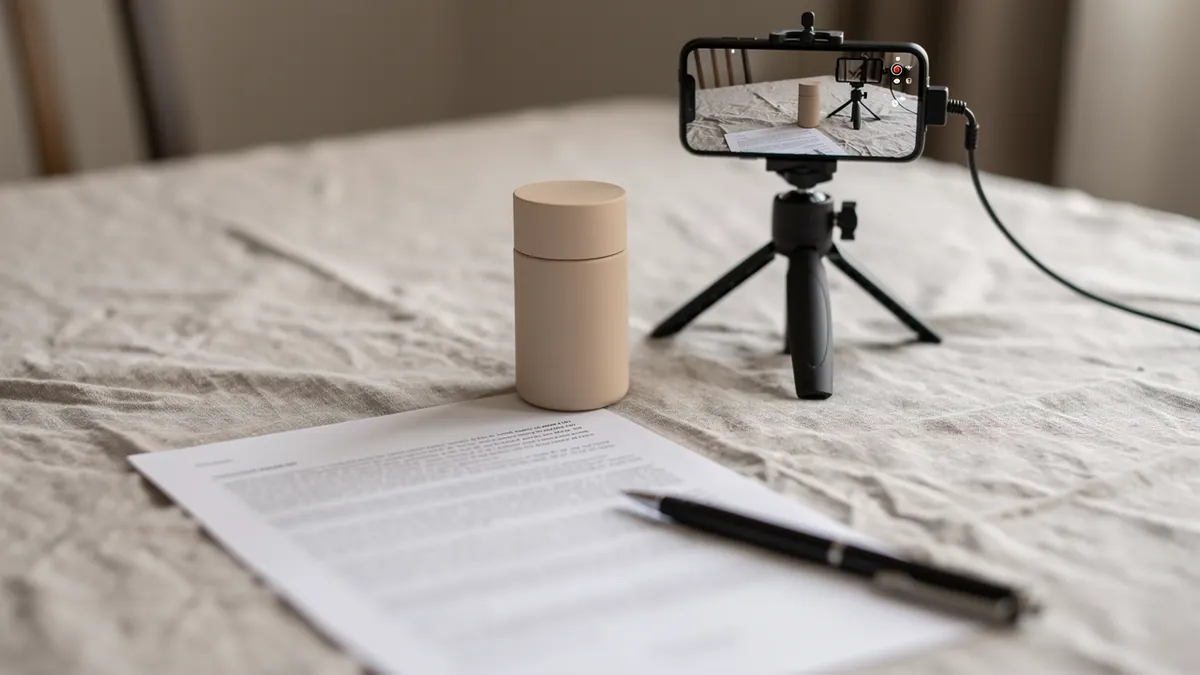
Commercial collaboration disclosure: it follows who publishes
The wording barely changes from one campaign to the next. The obligation changes hands depending on the account the video goes out from, and that is what the brief settles.

Health and cosmetic claims: classify sentences, not products
A sentence that is true for the creator becomes a claim the moment it is ordered. What decides is not the product filmed, it is what the sentence asserts.

Alcohol and the loi Evin: the medium decides before the content
A compliant video can become unlawful through the channel that carries it alone. The first question is not what you show, it is where the video will live.
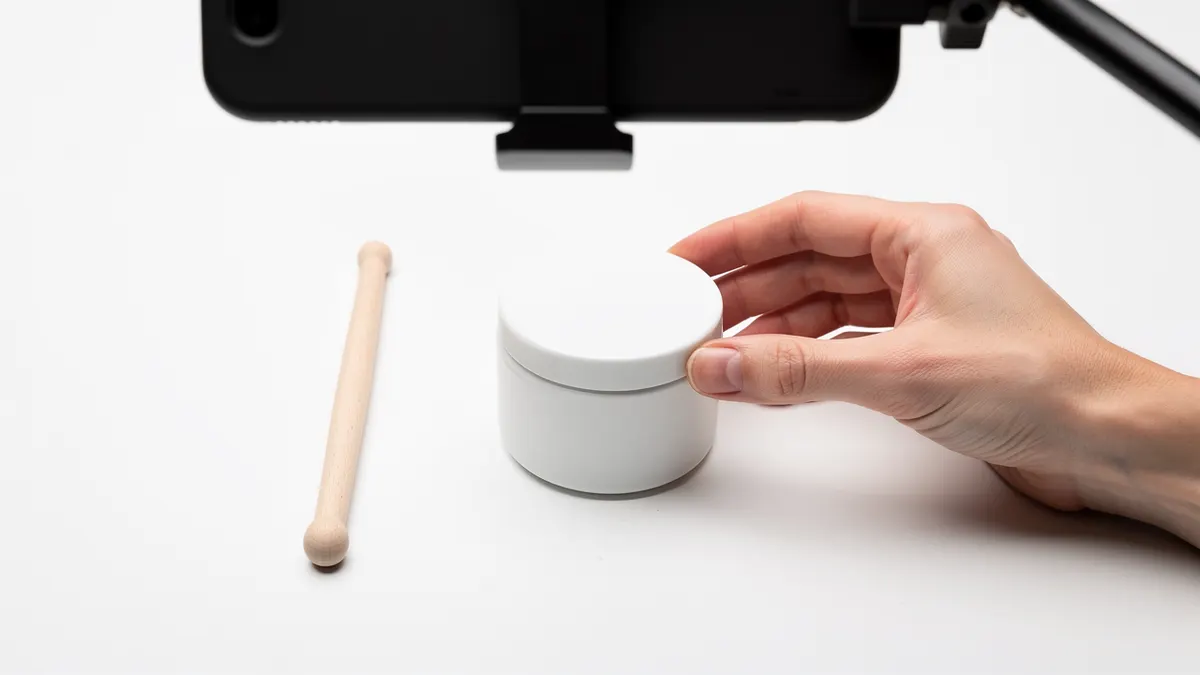
Mercado Libre: Three Places a Video Lives, and Three Different Pieces
It is not a social platform with a catalogue inside. The piece that wins is not the prettiest: it is the one that answers the doubt holding up the purchase.

Inland or Greater Buenos Aires: The Question Is Not Where the Creator Lives
It is where the product is and who will hold it on the shoot day. Outbound shipping, shooting window and return: the cycle outranks everything else.

An Annual Content Budget Has Four Lines and Only One Stays Still
Budget by quarter and commit by year: the brand knows how many pieces it will get, the team adjusts the unit cost without reopening the whole number.