
Blog
Tips, guides and stories about UGC and creator marketing.
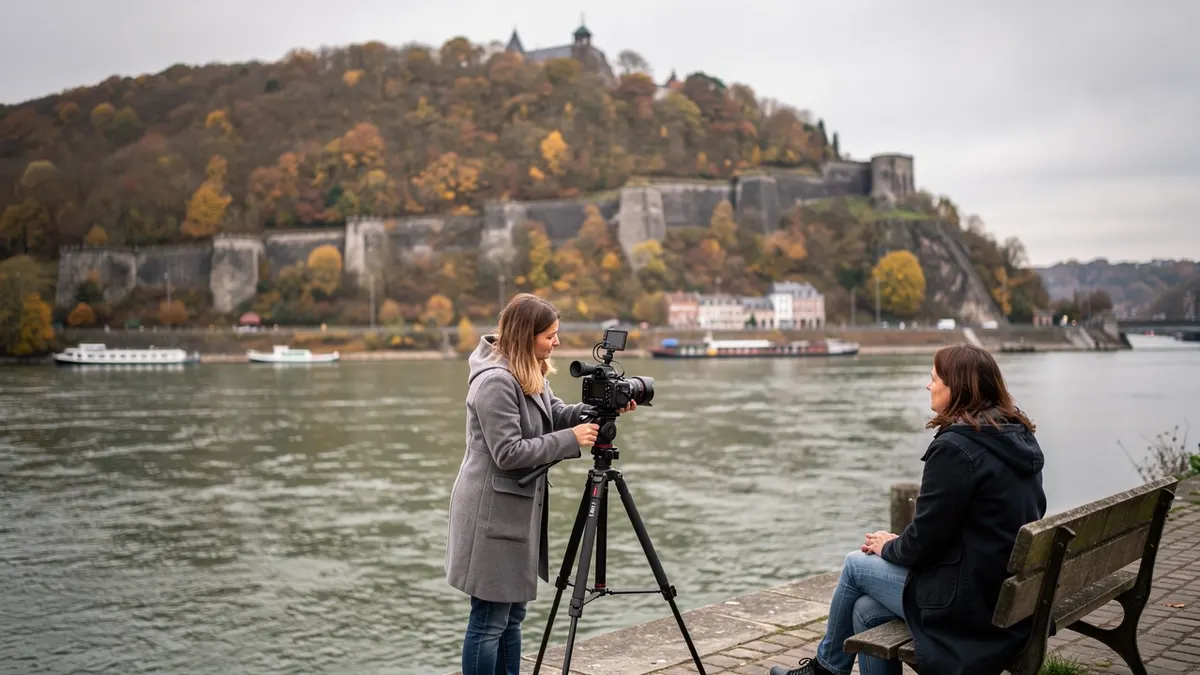
In Namur the biggest buyer of video is an administration
A small city where the dominant client is institutional, which changes the rhythm, the paperwork and what a quote has to look like.
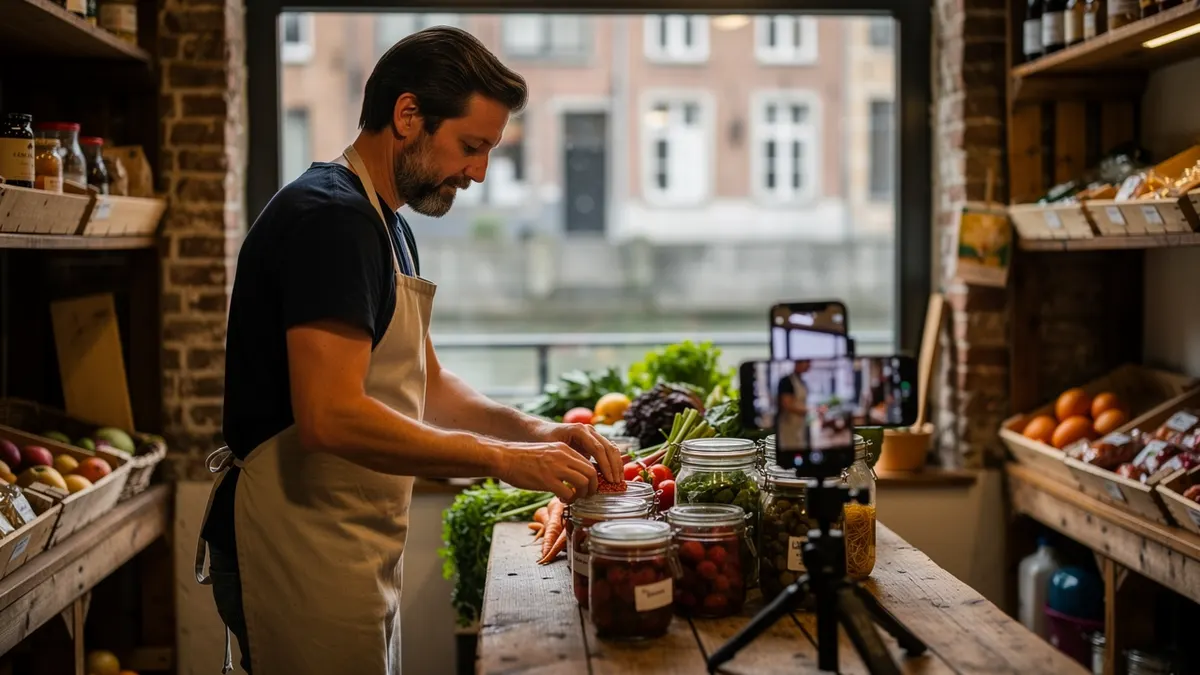
Ghent is a city of small clients, and that is the whole model
The budgets here are the smallest in Flanders and the clients are the most numerous. Working that way is a different job from working in Antwerp.

Liege hires people it has met, and that is the opening
A French-speaking market that is not benchmarked against Brussels, with a border twenty minutes away and clients who want a face before a quote.
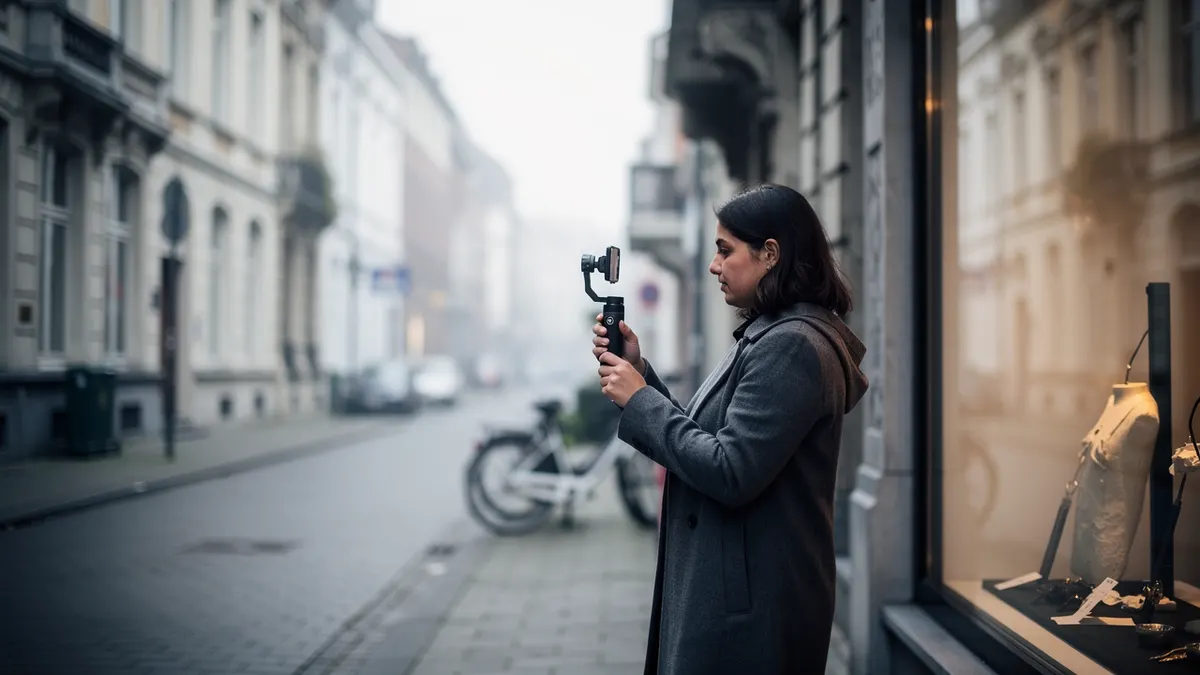
Antwerp is the one Belgian city where fashion sets the bar
Three markets share one city, and the fashion side quietly decides what every client here expects a video to look like.
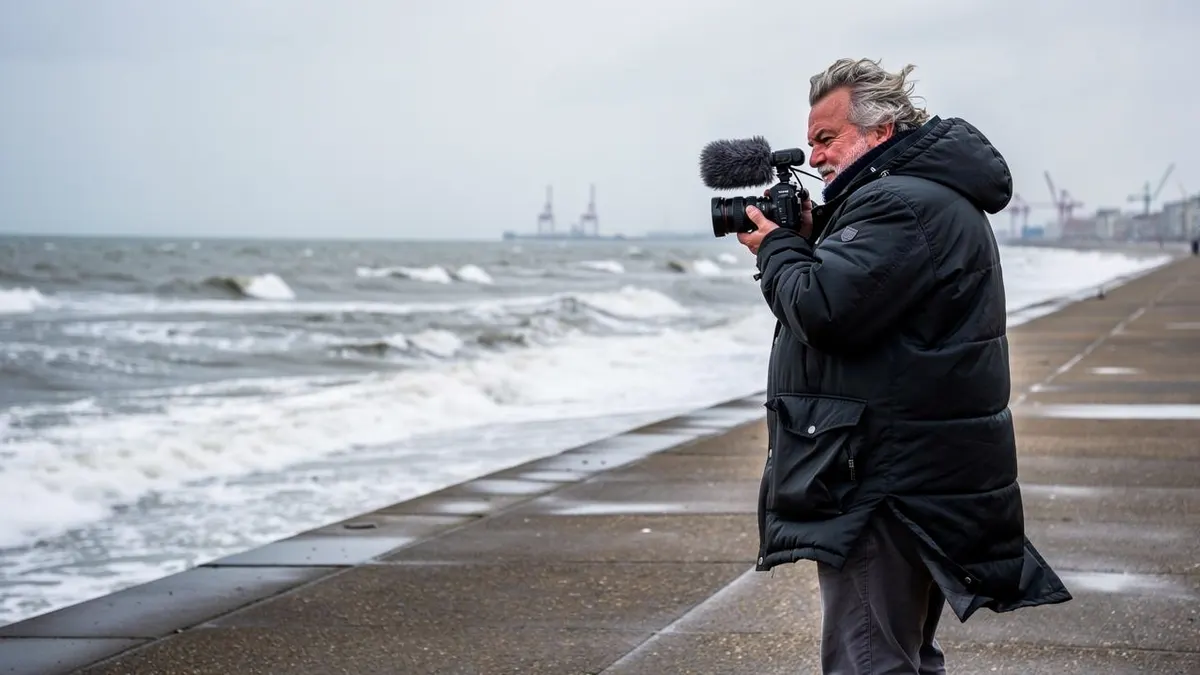
Ostend is two cities in one year, and the quiet one pays
A seaside resort that empties in November and a working port that does not. Learning to serve both is what makes a year here viable.
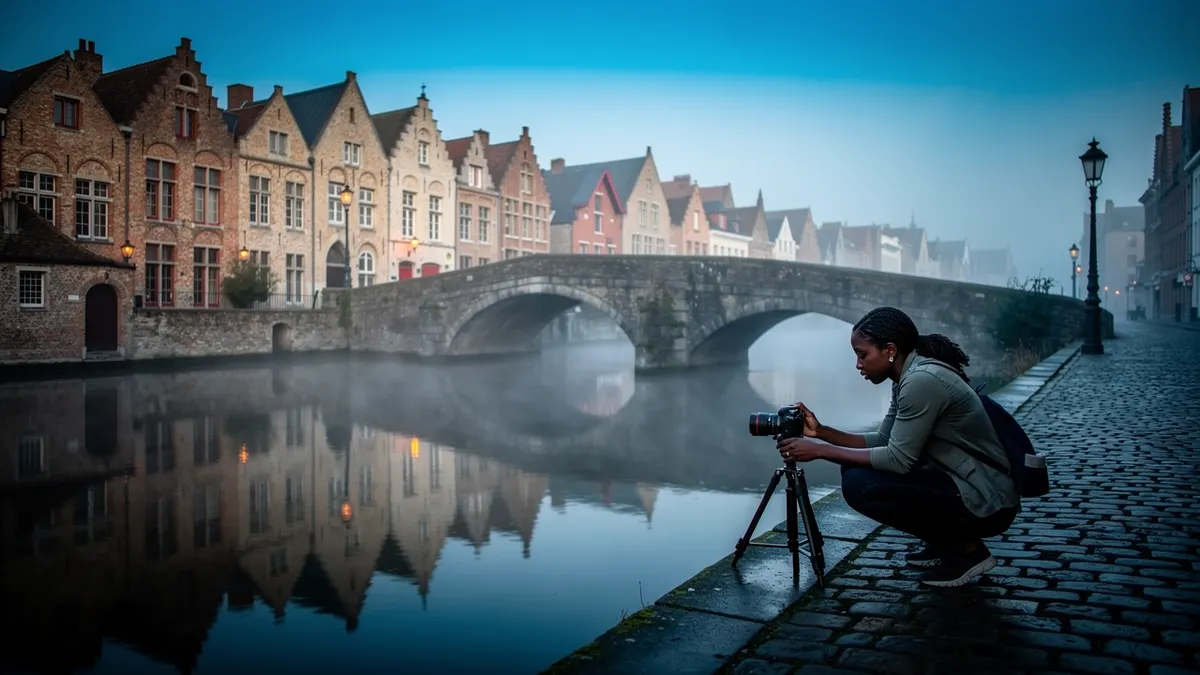
In Bruges the calendar is the client
A city that lives from one industry, where the work is sold in summer and actually made in the months nobody visits.
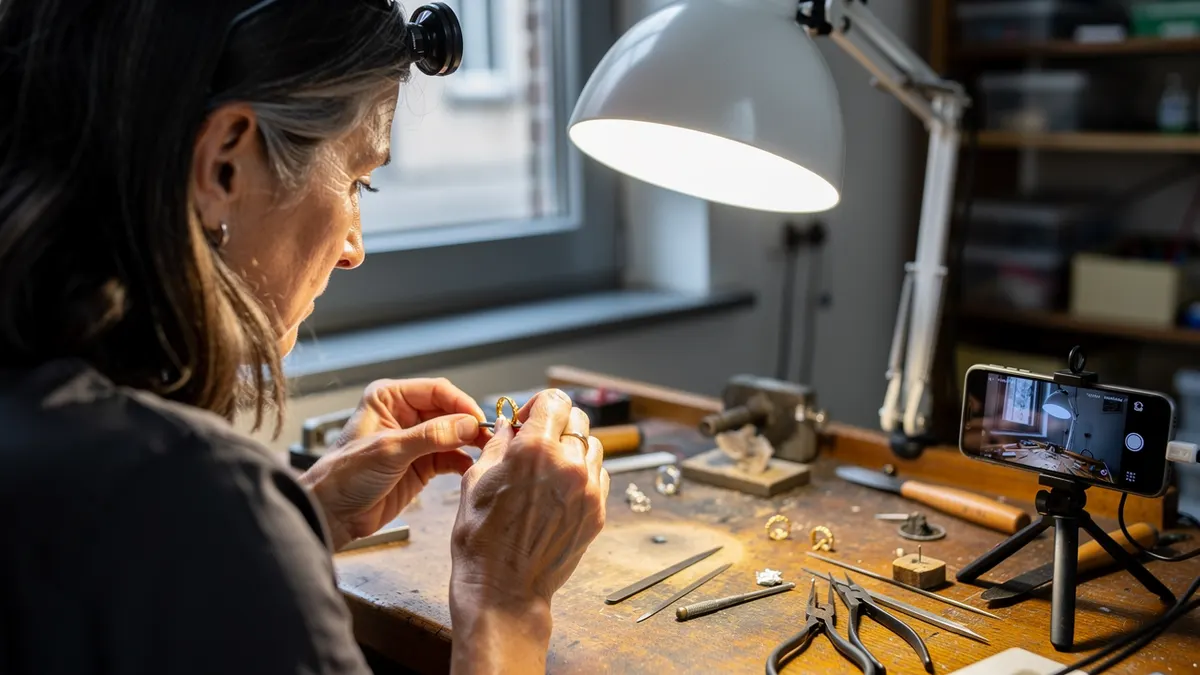
Nobody watching can tell whether the stone is good
The value of the product is invisible and unverifiable by the buyer. That single fact decides what a jewellery video can and cannot do.

The question arrives with the first client who has a building
A client asks for a certificate and most creators do not know which of three different risks they are being asked about.

The day your flat becomes the limit
Filming at home works until the ceiling is too low, the window faces the wrong way, or the client needs a room you do not have. Then four options, all mispriced.
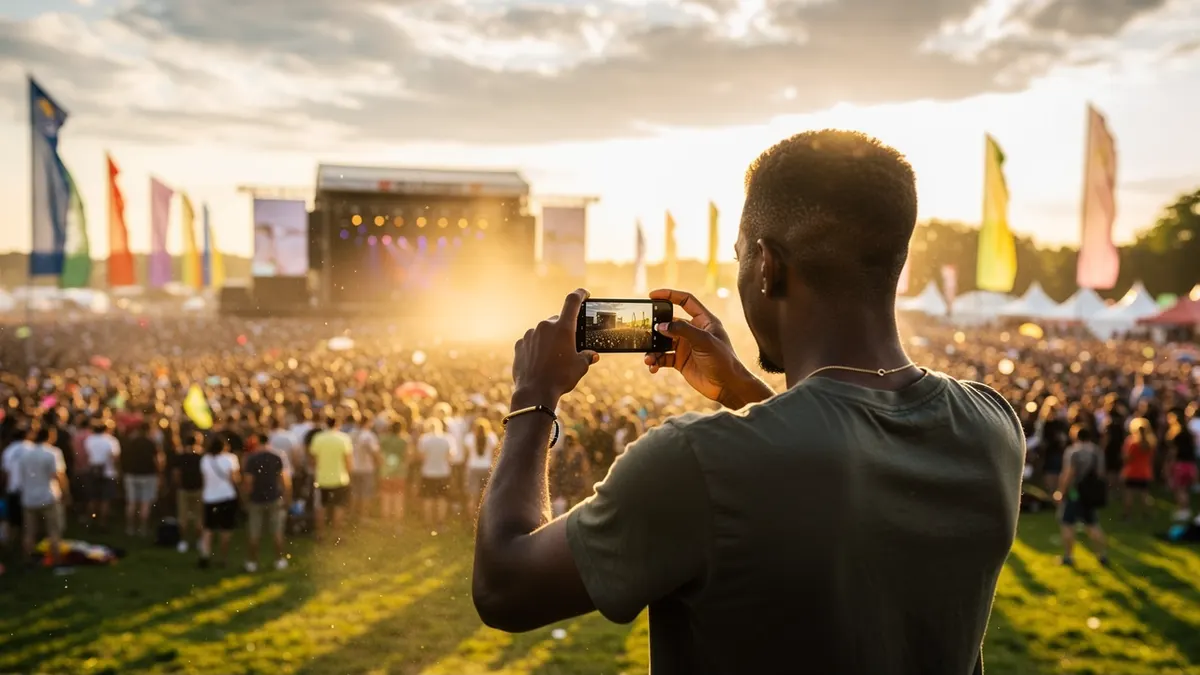
The festival is not the problem, the other eleven months are
An event produces more footage in four days than it can use in a year. What it cannot produce is anything to say in February, when tickets are sold.
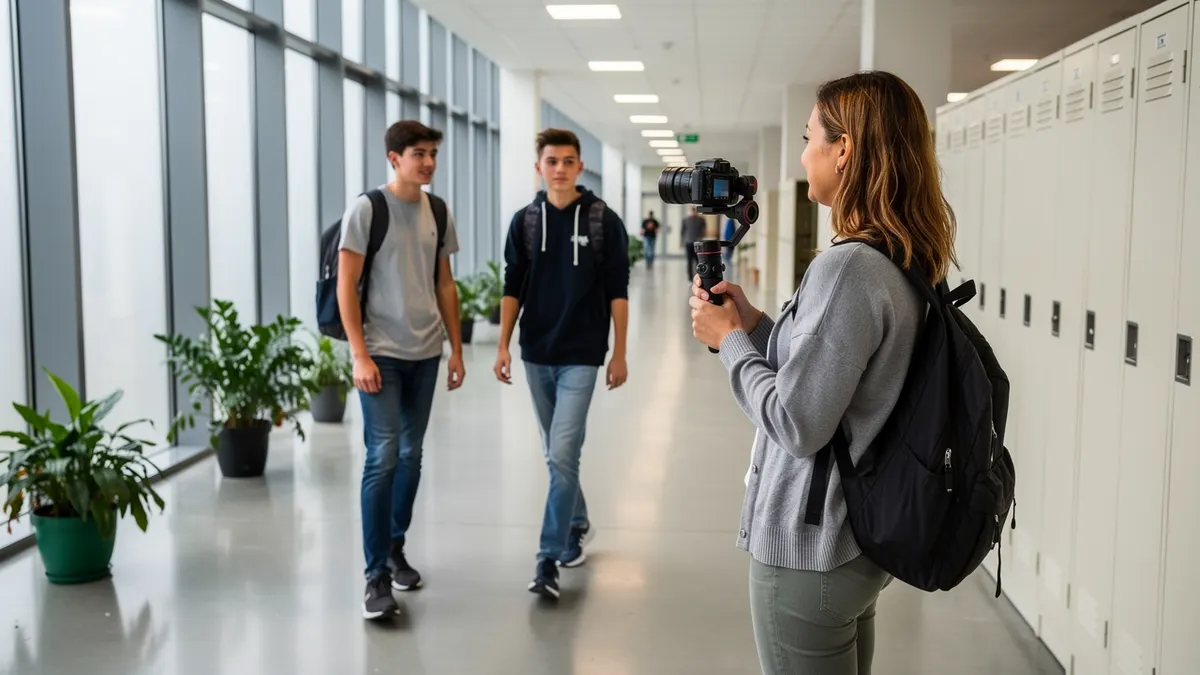
Two parents decide, often in two different languages
A school video usually addresses one adult. The decision is made by two, in two languages, and the child has a veto nobody accounts for.
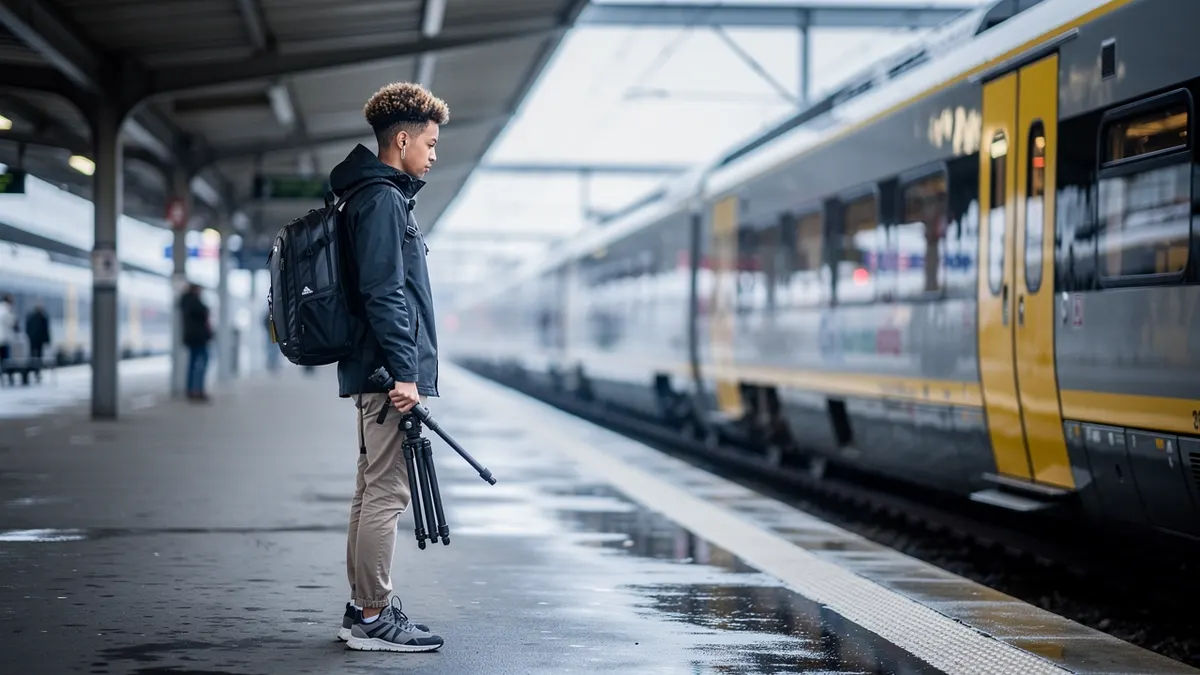
The train changes what you buy, not just what you carry
In a country this dense the train genuinely beats the car for a shoot day, and the one-trip rule quietly decides your kit list.

Three languages do not cost three times as much
The shoot barely changes, the edit genuinely doubles, and the real cost is somewhere nobody budgets for: every language adds an approver.
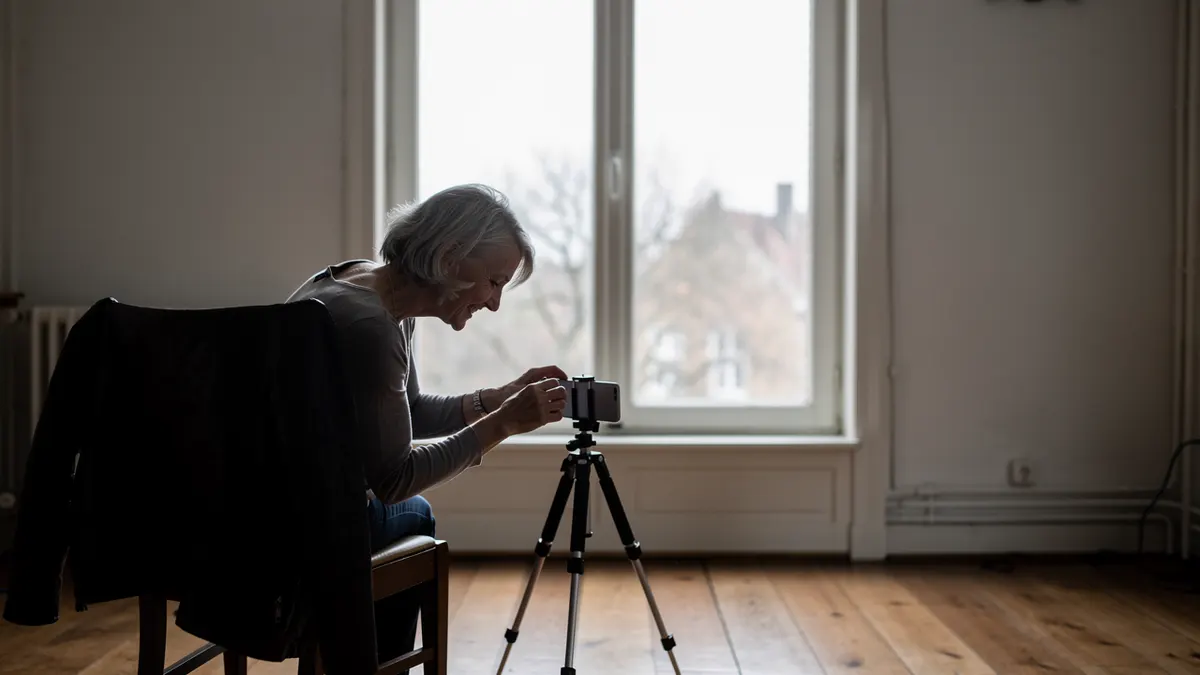
Flat grey is not bad light, and the real problem is the clock
Four months a year the sky is a giant softbox and the day is very short. One of those two facts is a gift and the other decides your schedule.

This audience spots a mistake in three seconds
Cycling in Belgium has an expert public. A saddle at the wrong height discredits the brand before anyone has looked at the product.
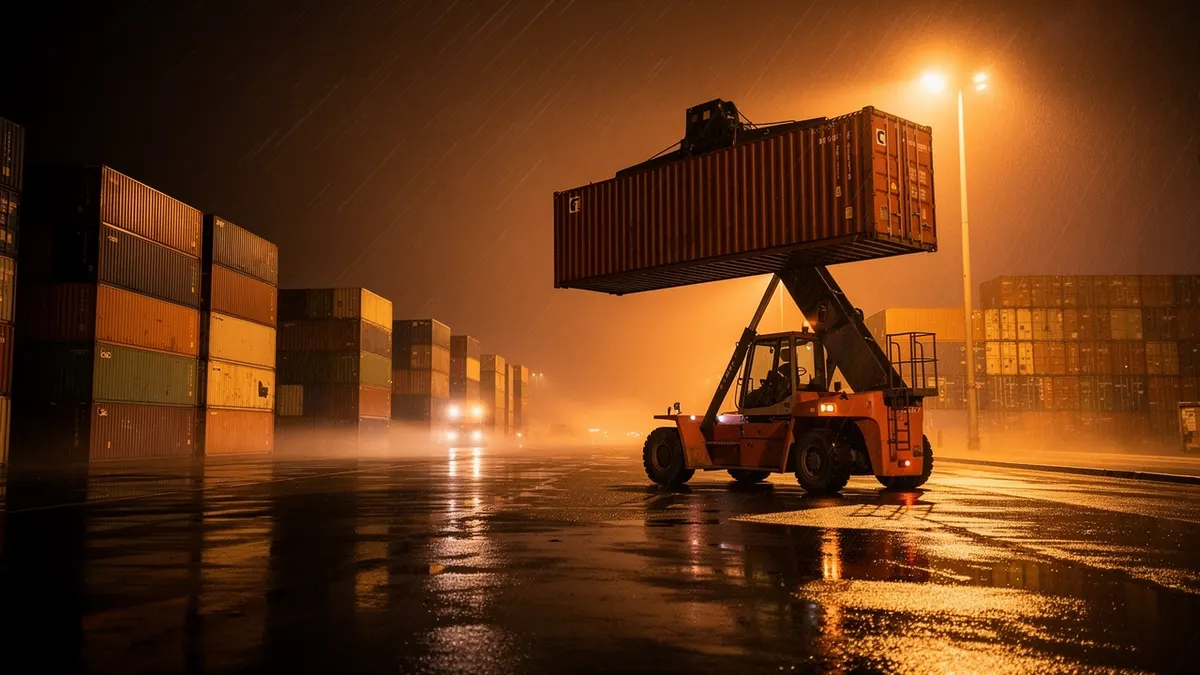
You are selling the absence of a problem
Logistics is judged by what did not happen. That is the hardest thing in the world to film, and it leaves exactly two openings worth taking.

The sector where a video can barely say anything
Almost every claim about a medicine is regulated, so the content is either an empty corporate film or nothing. Three audiences remain, and they are the valuable ones.
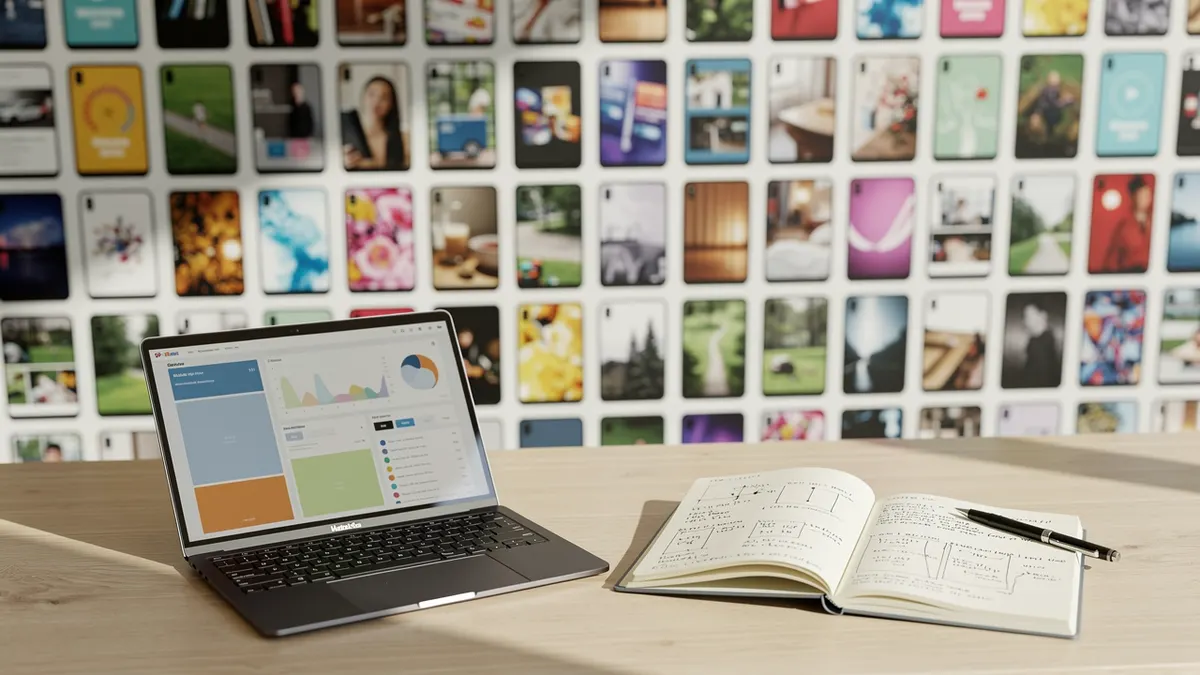
Your A/B test is not telling you anything
A split test needs conversions, not views. At Portuguese volumes the gap between two videos is usually noise, and deciding on it is guessing with a dashboard.
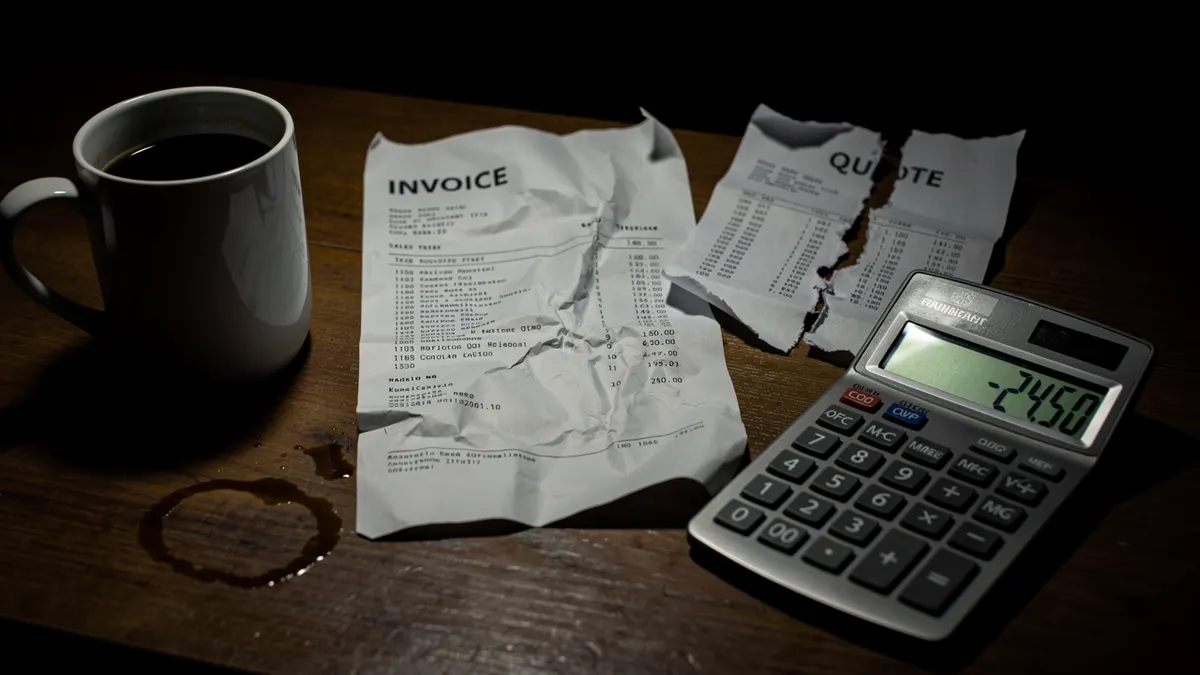
A bad client does not cost you money, it costs you the year
The signals all arrive in the first three messages, before anything is agreed. Reading them is the most profitable ten minutes in this job.
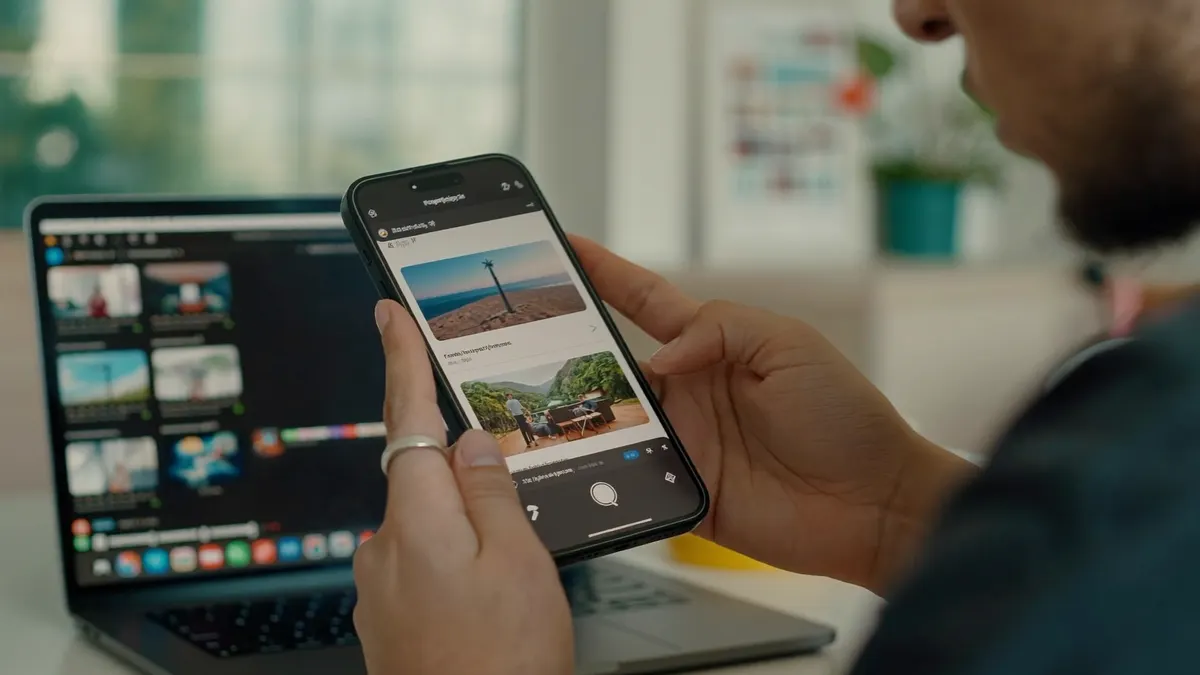
Your first reply is the only work sample they have
A brand deciding between five creators has no delivery to judge yet. What they have is a message, and most creators send the same one.

The week a video works is the week your contract reopens
Three requests arrive together, and a delighted creator usually grants all of them in one enthusiastic message before noticing they were three negotiations.

Nobody here has marketing in their job title
The person ordering the video also handles the invoices, the supplier and the website. That is the normal case in Portugal, and it changes how content gets made.

Raising your rate is not asking for more, it is selling something else
The hard part is never the number. It is that a client who paid last year is being asked to pay more for what looks like the same thing.

A licence ends, a file does not
Nothing in an ad account, a website or a sales deck stops by itself on the agreed date, and almost nobody writes that date in a calendar.